

Hydraulic Fluid Selection Guide
Hydraulic Fluid Selection Guide
The right hydraulic fluid isn't just about ISO viscosity. It has to match your pump, temperature, seals, and operating conditions. Get it wrong, and you risk leaks, wear, and costly damage. Use this guide as your starting point, then confirm with your equipment manufacturers.
The right hydraulic fluid isn't just about ISO viscosity. It has to match your pump, temperature, seals, and operating conditions. Get it wrong, and you risk leaks, wear, and costly damage. Use this guide as your starting point, then confirm with your equipment manufacturers.
Match Fluid to Your Application
Mineral, water-based and synthetic fluids each present different performance and compatibility tradeoffs. Water-based fluids, for example, improve fire resistance but require close attention to fluid balance, temperature, and wear protection—as well as compatibility with pumps, filters, fittings, and seals.
General industrial or mobile hydraulics
Typical Fluid Choice
Mineral/petroleum-based anti-wear hydraulic oil
Primary Advantage
Affordable, widely available, good lubrication and broad component compatibility
Key Limitations
Combustible; environmental consequences if leaked
Common Seal Direction
NBR or FKM commonly used
Outdoor equipment with changing temperatures
Typical Fluid Choice
High-viscosity-index mineral oil or suitable synthetic fluid
Primary Advantage
Maintains viscosity across a wider temperature range
Key Limitations
Higher cost; verify additive and seal compatibility
Common Seal Direction
Usually NBR or FKM, subject to formulation
Very cold starts
Typical Fluid Choice
Low-temperature/high-VI mineral oil or qualified synthetic fluid
Primary Advantage
Better cold flow and reduced risk of pump starvation
Key Limitations
May become too thin at peak operating temperature
Common Seal Direction
Confirm with fluid and seal manufacturers
Sustained high-temperature operation
Typical Fluid Choice
Qualified synthetic hydraulic fluid
Primary Advantage
Better thermal and oxidation stability
Key Limitations
More expensive; may not work with standard seals, paints, hoses or filters
Common Seal Direction
FKM or PTFE often considered
Fire-risk areas
Typical Fluid Choice
Water-glycol, water-oil emulsion or approved fire-resistant synthetic fluid
Primary Advantage
Reduced fire hazard
Key Limitations
Lower lubricity may affect component life; water content and viscosity require monitoring
Common Seal Direction
Depends heavily on exact formulation
Environmentally sensitive applications
Typical Fluid Choice
Biodegradable vegetable oil or synthetic ester
Primary Advantage
Reduced environmental persistence and improved biodegradability
Key Limitations
Oxidation, hydrolysis, seal compatibility and fluid-mixing concerns
Common Seal Direction
FKM or PTFE commonly considered; verify formulation
Chemically aggressive or unusual fluid
Typical Fluid Choice
Application-specific specialty fluid
Primary Advantage
Designed for a particular hazard or operating condition
Key Limitations
High cost and extensive compatibility requirements
Common Seal Direction
PTFE, FFKM or another specialty compound may be required
Fluid and Seal Compatibility
Rating Key
Generally a strong starting combination
Compatibility depends on the exact fluid formulation, additives, temperature and seal compound
Technically capable, but cost or mechanical characteristics may limit use
Generally unsuitable unless specifically approved
NBR or nitrile is the common economical choice for petroleum-based hydraulic oil. It provides good mechanical properties for many standard mobile and industrial applications.
FKM, commonly known by the Viton trade name, generally offers better heat and chemical resistance than NBR, but it is not automatically compatible with every water-based or fire-resistant fluid.
EPDM generally works better with water-based media but should not normally be paired with petroleum or mineral oil.
PTFE offers broad chemical and temperature resistance but has limited elasticity. Some high-pressure applications require energized seal designs or backup rings.
FFKM provides exceptional chemical resistance but is usually excessive for conventional hydraulic equipment because of its cost.
Polyurethane offers strong abrasion, extrusion and wear resistance, making it common in dynamic hydraulic sealing. Its compatibility with water, synthetic esters and fire-resistant fluids must be confirmed for the specific compound.
"Viton," "nitrile," and "polyurethane" are families—not single formulas. Compound recipes and performance vary by manufacturer.
Fluid formulations within the same category can behave differently because of their base stocks and additive packages. Compatibility can also deteriorate as temperature, pressure, exposure time, or contamination increases.
Choosing the Correct Viscosity
Viscosity is the fluid’s resistance to flow. It changes with temperature and is one of the most important factors in hydraulic fluid selection.
If Viscosity is Too High
Cold starts become difficult
The pump may be starved of fluid
Cavitation risk can increase
System response becomes sluggish
Energy consumption and heat generation can rise
Filters and suction lines may restrict flow
If Viscosity is Too Low
Lubricating film strength decreases
Internal leakage increases
Volumetric efficiency falls
Pumps and motors may wear faster
System response may become inconsistent
Heat can increase because more fluid leaks internally across clearances
The correct viscosity is the viscosity present at the component’s actual operating temperature, not simply the ISO grade printed on the drum. Machinery Lubrication reports broad operating ranges of approximately 14–160 cSt for vane pumps and 10–160 cSt for piston pumps, while gear-pump limits vary considerably by design. The equipment or pump manufacturer’s specified optimum range must take priority.
ISO Viscosity Grade Starting Points
ISO VG identifies the fluid’s nominal kinematic viscosity at 40°C/104°F. It does not, by itself, describe how the fluid behaves during a cold start or at maximum operating temperature.
Very cold conditions, certain high-speed or tightly controlled systems
May become too thin as temperature rises
Cold-weather or low-temperature service
Confirm adequate hot-running viscosity
Cooler climates, outdoor/mobile equipment and cold-start-sensitive applications
May be too light for hot environments
Common general-purpose starting point for industrial and mobile systems
Verify cold-start capability
Warm environments or systems that operate at higher temperatures
May be too thick at startup
Specialized, high-temperature or design-specific equipment
Should not be selected without manufacturer guidance
These are screening guidelines, not equipment recommendations. The correct grade must keep the fluid within the pump’s permitted viscosity range from the coldest startup through the hottest sustained operating condition.
Viscosity Index
Viscosity index, or VI, indicates how much a fluid’s viscosity changes with temperature.
Higher-VI Fluids
A higher-VI fluid changes less as temperature rises or falls.
Outdoor mobile equipment generally benefits from a higher VI because it may encounter cold starts followed by high operating temperatures.
Lower-VI Fluids
A lower-VI fluid changes more significantly across the same temperature range.
A higher VI is useful, but it does not compensate for choosing the wrong base ISO grade or ignoring the pump’s limits.
Fluid-Type Comparison
Mineral oil
Mineral or petroleum-based hydraulic oil.
Best Suited For
Most conventional mobile and industrial hydraulic systems.
Advantages
- Widely available
- Economical
- Strong lubrication performance
- Available with anti-wear, rust, oxidation and corrosion protection
- Generally compatible with common hydraulic components
Watch For
- Fire risk
- Environmental consequences of leaks
- Oxidation at sustained high temperatures
- Additive compatibility when changing brands or products
For most conventional Bailey applications, the correct manufacturer-approved mineral-based anti-wear fluid is likely the logical starting point—not an exotic synthetic.
Synthetic hydrocarbon
Synthetic hydrocarbon or PAO fluid.
Best Suited For
Wide temperature ranges, severe cold, extended service or high-temperature stability.
Advantages
- Strong low-temperature flow
- Improved oxidation and thermal stability
- Potentially longer service life
- Wide operating-temperature capability
Watch For
- Higher cost
- Compatibility with seals, hoses, coatings and residual fluid
- Additive-package differences
- Disposal and changeover requirements
“Synthetic” is not one chemistry. PAO, synthetic ester and phosphate ester fluids should not be treated as interchangeable.
Water-based
Water-glycol and other water-based fluids.
Best Suited For
Steel mills, foundries, mining, die casting and other applications with significant ignition risk.
Advantages
- Improved fire resistance
- Useful near hot surfaces or open flames
Watch For
- Water evaporation and changing viscosity
- Reduced wear protection compared with conventional oil
- Corrosion control
- Fluid concentration and water-quality requirements
- Pump and component derating
- Seal, hose, filter and fitting compatibility
Do not replace mineral oil with water-glycol solely because it is “safer.” The system must be designed or approved for it.
Phosphate ester
Phosphate ester fluid.
Best Suited For
Specialized fire-resistant systems, including certain aviation and high-temperature industrial applications.
Advantages
- Strong fire resistance
- High-temperature capability in approved systems
Watch For
- Aggressive effects on incompatible seals, hoses, paints and coatings
- Specialized maintenance and handling
- Higher cost
- Strict contamination and conversion procedures
The term “fire-resistant fluid” covers multiple chemistries. The correct seal recommendation for one type may be wrong for another.
Biodegradable
Biodegradable vegetable oil or synthetic ester.
Best Suited For
Forestry, marine, agriculture and other applications where a leak could affect soil or water.
Advantages
- Improved biodegradability
- Reduced environmental persistence
- Strong lubricity in many formulations
Watch For
- Oxidation and hydrolytic stability
- Water contamination
- Seal compatibility
- Storage life
- Mixing with residual mineral oil
- Cold-temperature behavior
- OEM approval
“Biodegradable” does not mean harmless, universally compatible or maintenance-free.
Application-Based Selection Guide
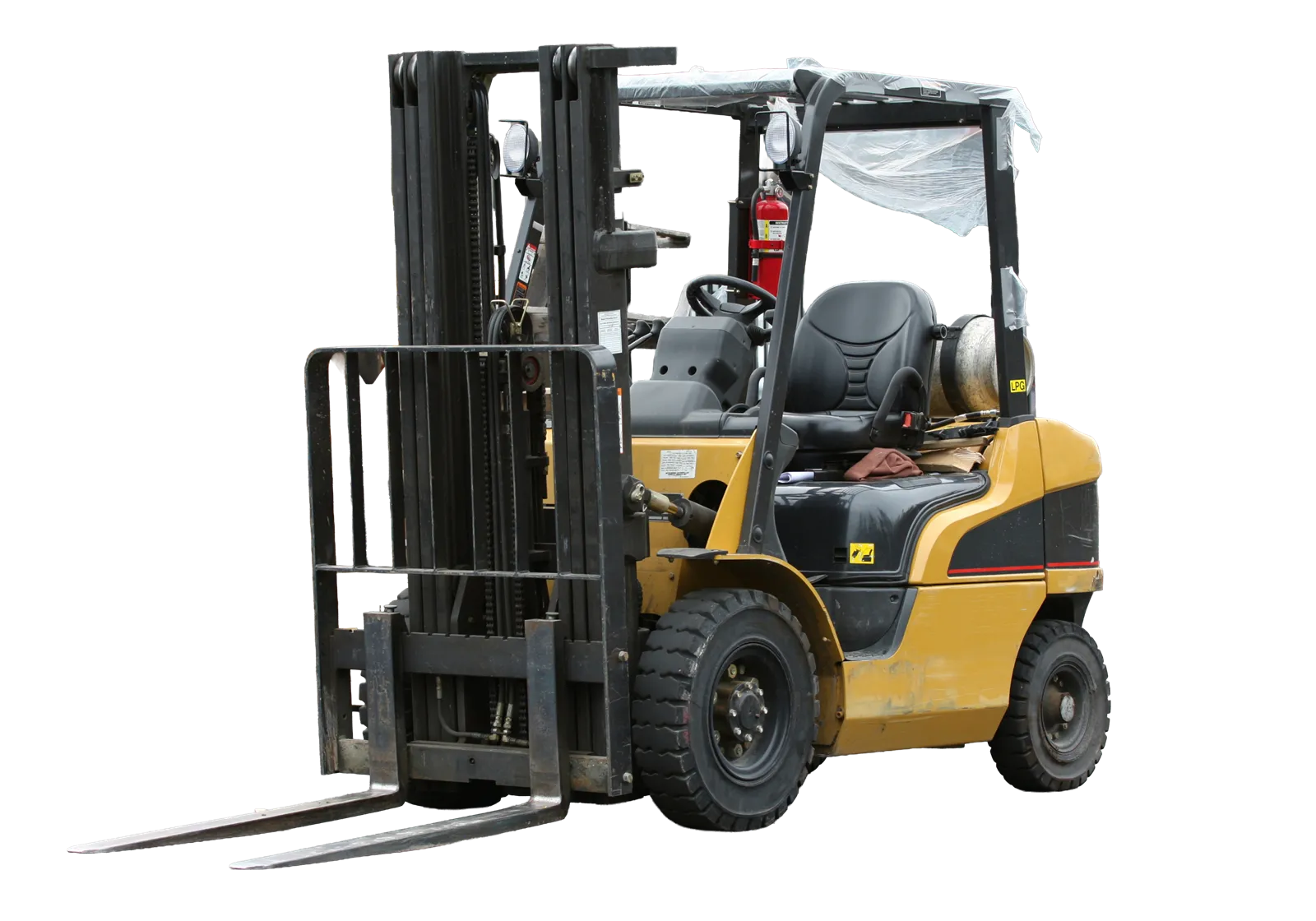
Standard indoor industrial equipment
What to Prioritize
- Manufacturer viscosity
- Anti-wear performance
- Oxidation stability
Likely Starting Direction
Mineral-based AW hydraulic oil
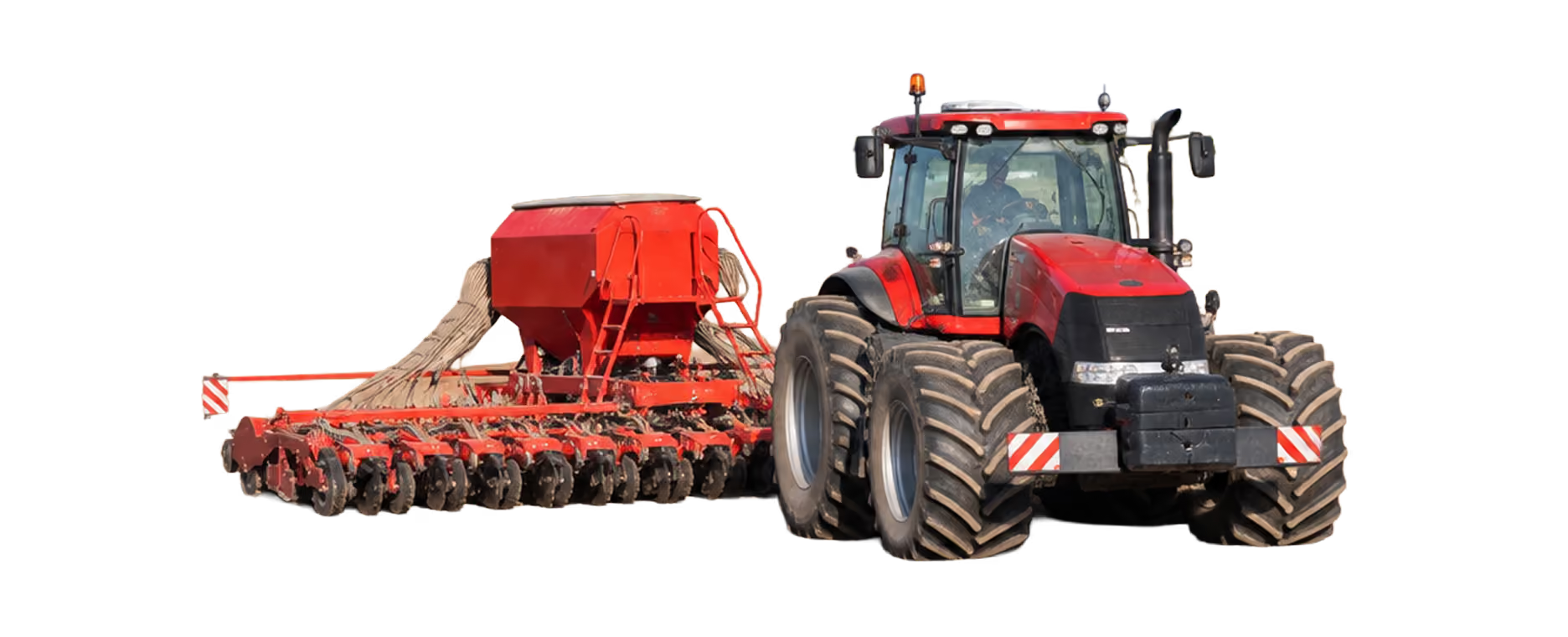
Construction or agricultural equipment
What to Prioritize
- Wide temperature range
- Cold starts
- Water separation
- Oxidation stability
Likely Starting Direction
High-VI mineral oil or approved synthetic
Snow and ice equipment

What to Prioritize
- Cold cranking
- Pump inlet flow
- Low-temperature seal performance
Likely Starting Direction
Low-temperature / high-VI approved fluid
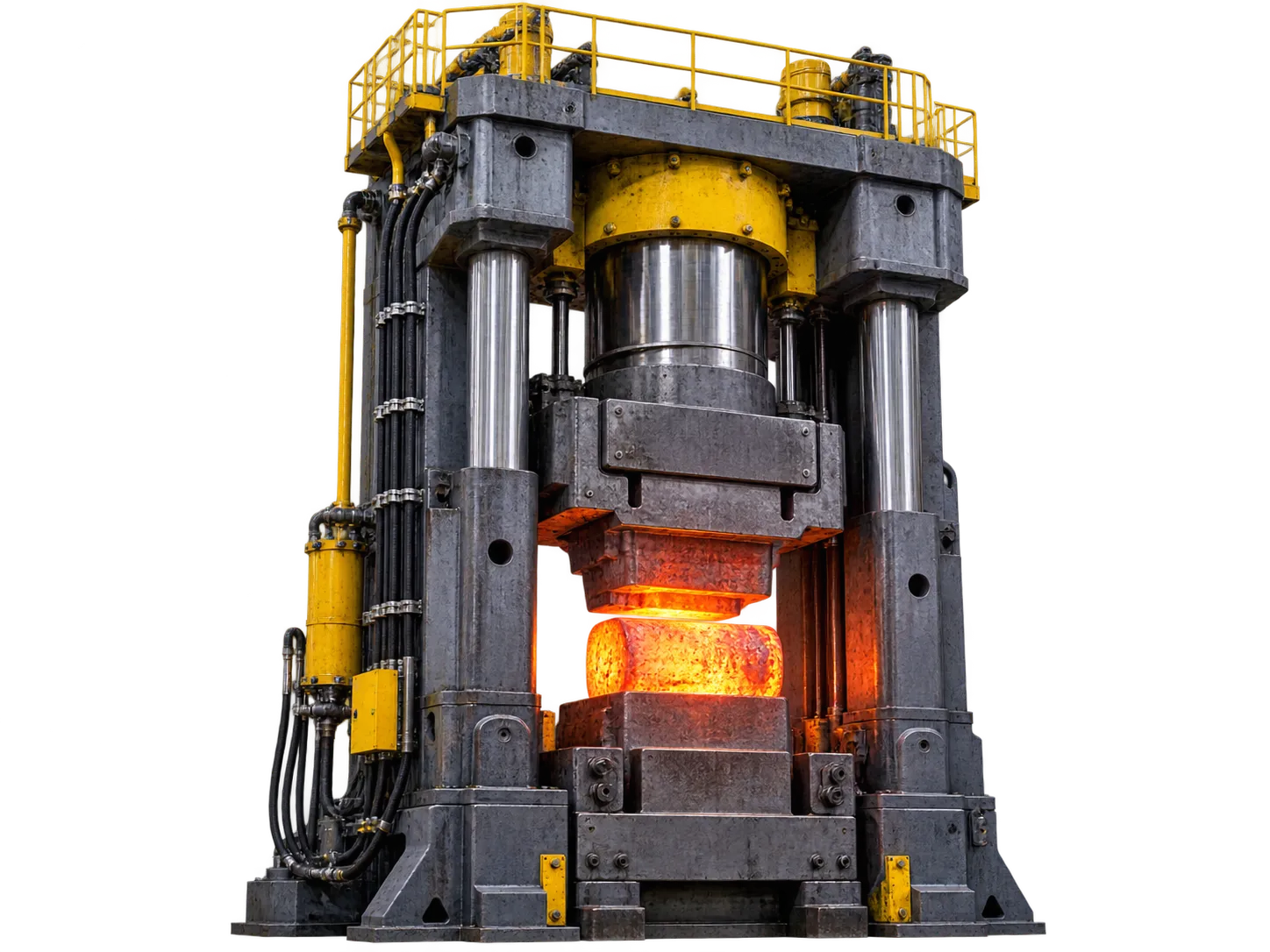
Hot manufacturing environment
What to Prioritize
- Oxidation stability
- Fire risk
- Seal temperature capability
Likely Starting Direction
High-temperature mineral oil, synthetic or approved fire-resistant fluid
Forestry or environmentally sensitive terrain

What to Prioritize
- Biodegradability
- Cold flow
- Seal compatibility
- Water exposure
Likely Starting Direction
OEM-approved biodegradable ester
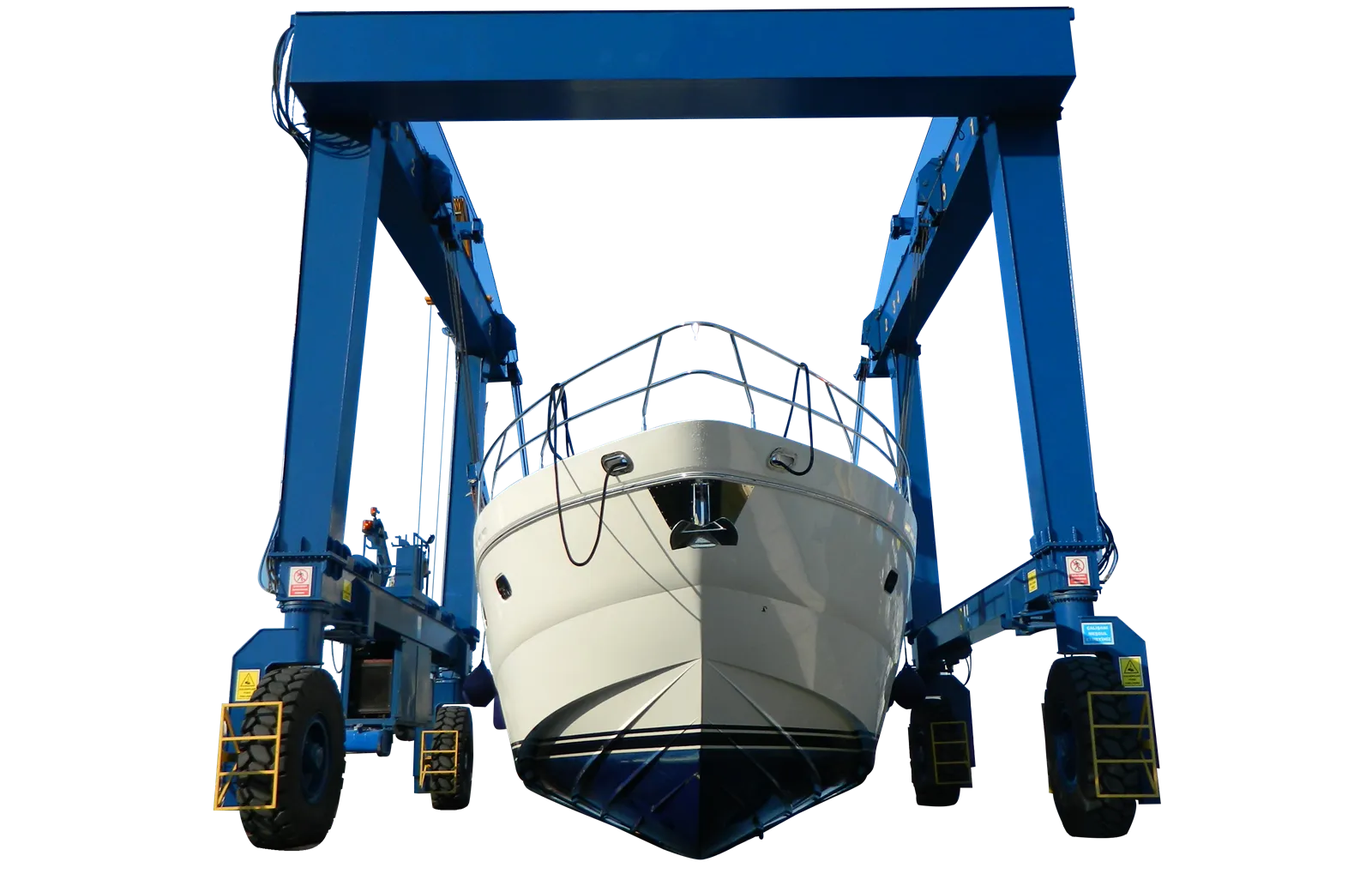
Marine equipment
What to Prioritize
- Water separation
- Corrosion protection
- Seal compatibility
- Environmental risk
Likely Starting Direction
Marine-suitable mineral oil or approved biodegradable fluid
Mining equipment

What to Prioritize
- Fire risk
- Contamination
- High loads
- Maintenance access
Likely Starting Direction
Anti-wear mineral oil or approved fire-resistant fluid
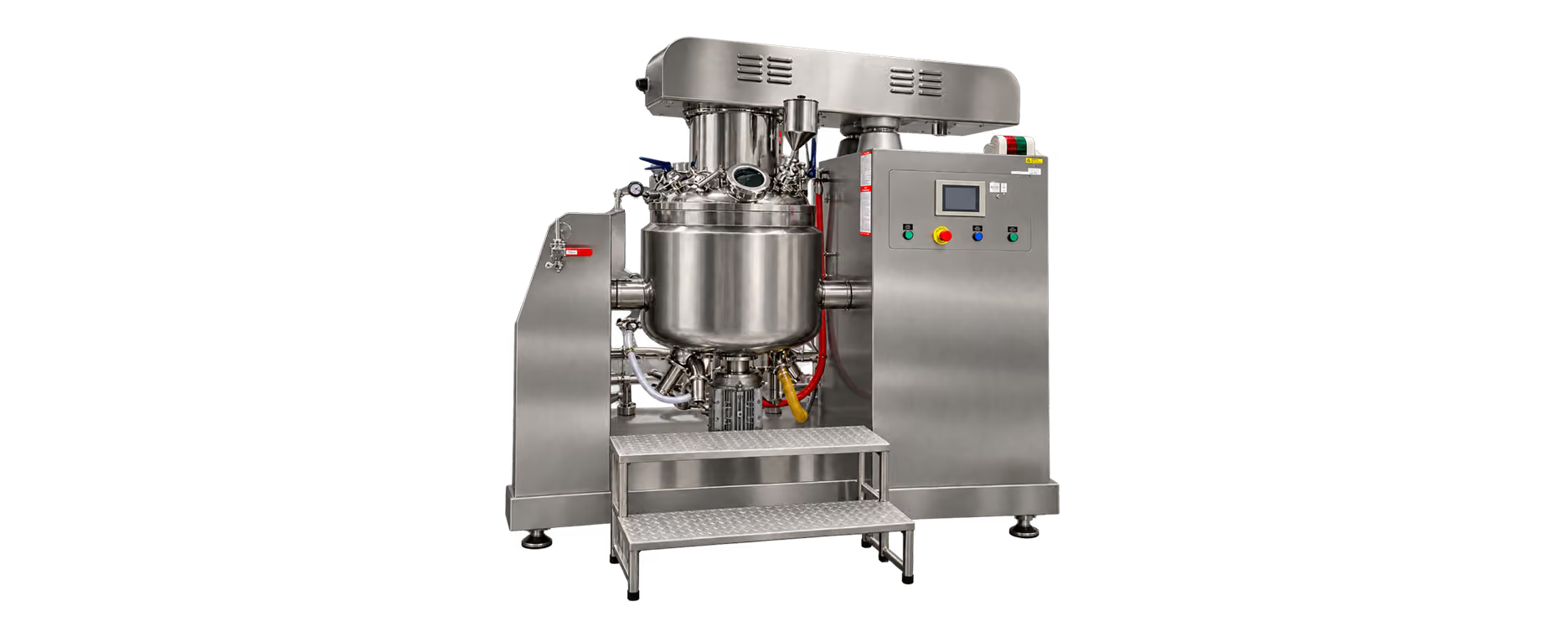
Food processing
What to Prioritize
- Regulatory acceptability
- Incidental-contact requirements
Likely Starting Direction
Appropriate NSF-classified hydraulic fluid
Equipment with servo or proportional valves
What to Prioritize
- Cleanliness
- Air release
- Oxidation stability
- Correct viscosity
Likely Starting Direction
High-quality fluid meeting valve and filtration requirements
Eight-Step Selection Process
Step 01: Start with the equipment manufacturer’s requirement.
Record the required specification, ISO viscosity grade, permitted fluid chemistry and change intervals.
Step 02: Identify the critical component.
The most restrictive pump, motor, proportional valve or hydrostatic component may determine the fluid requirement.
Step 03: Measure the real temperature range.
Include minimum cold-start temperature, normal reservoir temperature and peak component temperature.
Step 04: Select viscosity for the entire temperature range.
Confirm that the fluid remains within the component manufacturer’s minimum, optimum and maximum viscosity limits.
Heading
Step 05: Identify every wetted material.
Check seals, hoses, accumulators, pump components, valve materials, filters, adhesives, reservoir coatings and paints.
Step 06: Evaluate the operating environment.
Heading
Consider fire risk, water exposure, contamination, biodegradability, food-contact requirements and leak visibility.
Step 07: Compare complete fluid specifications.
Step 07: Compare complete fluid specifications.
Review viscosity index, anti-wear performance, oxidation stability, rust protection, demulsibility, air release, foaming and filterability—not only ISO grade.
Step 08: Plan the conversion.
Heading
Determine drain, flush, filter, disposal, labeling and monitoring requirements before changing fluid type or chemistry.
Never Make These Fluid-Selection Mistakes
- Selecting fluid by ISO grade alone.
- Assuming fluids with the same viscosity are interchangeable.
- Treating all synthetic fluids as the same.
- Ignoring seal compound compatibility.
- Choosing for average ambient temperature instead of cold start and peak operating temperature.
- Using automotive engine oil, transmission fluid or another substitute unless the equipment manufacturer permits it.
- Switching to biodegradable or fire-resistant fluid without checking the entire system.
- Assuming a universal compatibility chart overrides the actual fluid and seal manufacturers.
- Topping off an unidentified fluid.
- Ignoring the additive package.
- Failing to monitor the fluid after conversion.
- Mixing brands or chemistries without written approval.
Final Selection Checklist
Before filling the reservoir, ensure all items are confirmed.
Equipment manufacturer specification
Pump and motor viscosity limits
Minimum startup temperature
Normal and maximum operating temperature
Correct ISO viscosity grade
Required viscosity index
Fluid base chemistry
Seal and hose compatibility
Paint, coating and adhesive compatibility
Anti-wear and oxidation requirements
Fire-resistance requirements
Environmental or food-contact requirements
Filter compatibility and cleanliness target
Compatibility with residual fluid
Drain-and-flush procedure
Fluid-analysis and maintenance plan
Determine drain, flush, filter, disposal
This guide is intended for preliminary fluid selection. Compatibility ratings describe general material families and cannot account for every seal compound, fluid formulation, additive package, pressure, temperature or duty cycle. Obtain written approval from the equipment, component, fluid and seal manufacturers before changing fluid type or operating outside published specifications.




Find the Right Hydraulic Fluid
Discover industry-leading hydraulic fluids and components backed by expert support to keep your systems running smoothly.